Rubbish collection for narrow streets in Harrow common problems
Posted on 30/06/2026
Rubbish collection for narrow streets in Harrow common problems: what goes wrong and how to fix it
If you live or work on one of Harrow's tighter roads, you already know the routine: a van arrives, the bins are awkwardly parked, a neighbour's car is half in the way, and suddenly a simple clearance turns into a bit of a dance. Rubbish collection for narrow streets in Harrow common problems are not just about space. They're about timing, access, communication, safety, and getting the right vehicle and crew for the job.
This guide breaks down the most common issues people run into on narrow streets, why they happen, and what actually helps. It also covers the practical side of choosing a service, planning a collection, and avoiding the little mistakes that turn a tidy collection into a stressful morning. To be fair, a lot of the trouble can be prevented with a bit of planning.
You'll also find examples from real-world Harrow-style situations, a simple checklist, and a comparison of common collection methods. If you're weighing up options, the overview on local rubbish services and how they work is a useful companion read.

Why Rubbish collection for narrow streets in Harrow common problems Matters
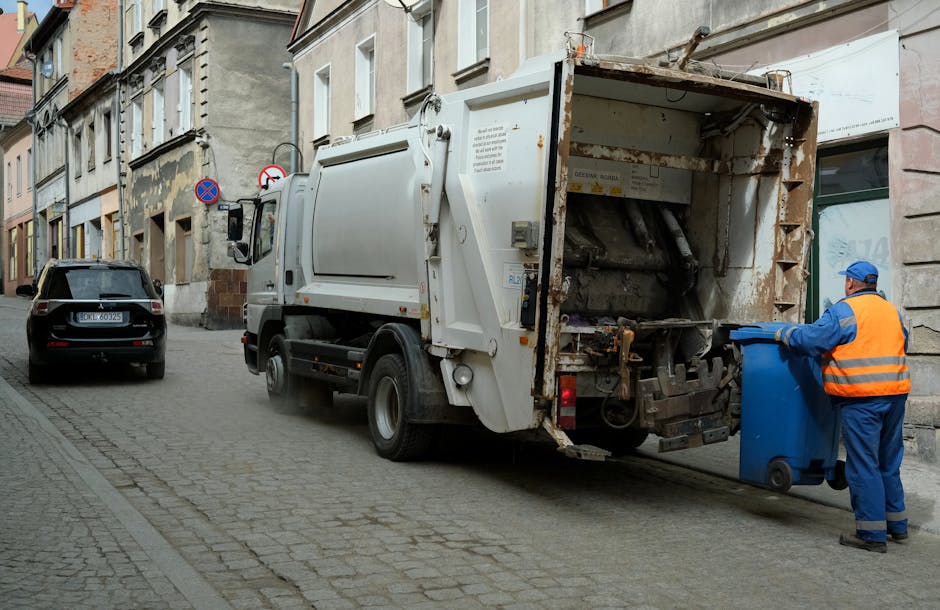
Narrow streets change the whole shape of a rubbish collection. A route that looks straightforward on paper can become tricky the moment a collection vehicle meets a parked car, a blind corner, or a street so tight that two people can barely pass each other without turning sideways. In Harrow, that tends to mean slower collections, more manual carrying, and more chances for confusion if the job has not been planned carefully.
Why does this matter so much? Because when access is awkward, the risks rise. Items can be left behind, collections can be delayed, and crews may need to walk loads further than expected. That affects cost, time, and sometimes neighbour relations. Nobody wants a bulky wardrobe left by the front gate longer than necessary, especially on a road where foot traffic is already tight.
There's also a visual and practical impact. Overflowing waste on a narrow street can block pavements, create complaints, and make the area feel cluttered very quickly. If you're a resident, landlord, shop owner, or managing a renovation, a smooth collection keeps things moving and keeps the street usable for everyone else.
For people in the middle of a move, this becomes even more noticeable. The local insight in this Harrow home-selling guide reflects a simple truth: tidy access matters more than most people realise when there are viewers, removals, and rubbish all happening at once.
Expert summary: On narrow streets, rubbish collection is less about brute force and more about planning. The best results usually come from clear access, smaller loads, accurate timing, and honest communication before the crew arrives.
How Rubbish collection for narrow streets in Harrow common problems Works
At its simplest, rubbish collection on a narrow street works by reducing the amount of time and space needed on the road itself. In practice, that usually means one of three approaches: a smaller vehicle, a parked pickup point, or a crew that walks items from your property to a safer loading spot.
The first step is access assessment. Good operators will think about how far the waste has to travel, whether the vehicle can stop safely, and whether there is enough room to load without blocking neighbours or traffic. Sometimes a crew will ask for photos in advance. That sounds basic, but it saves a lot of guesswork. A quick photo of the road, the driveway, the bin location, and any awkward turn can make the whole process far smoother.
Next comes sorting. Mixed waste, garden waste, builders' rubble, bulky furniture, and office clear-outs all behave differently. On a narrow street, separation matters because it affects how long the collection takes and whether the team can load efficiently. A pile of mixed items spread across a pavement is a much bigger headache than a few tidy stacks.
Then there's timing. In a tighter part of Harrow, collection windows matter more than people expect. Early morning often works best because the street is quieter and parking pressure is lower. If you've ever watched a collection try to happen just after school drop-off, you'll know the difference straight away.
It also helps to understand the difference between a kerbside-style collection and a full carry-out service. Kerbside collection means items are left in a place the vehicle can reach easily. Full carry-out means the team brings waste out from inside a property or from a hard-to-reach spot. On a narrow street, that second option is often the real lifesaver.
If you are planning a clearance with mixed materials, the pages on builders waste disposal in Harrow and house clearance support may help you match the job to the right type of service. Different waste types need different handling, and on narrow streets that difference becomes very visible.
Key Benefits and Practical Advantages
When narrow-street rubbish collection is handled well, the benefits are immediate. The street stays clearer, the job finishes faster, and there's far less friction with neighbours or passing traffic. It sounds obvious, but a lot of the best value here comes from avoiding complications, not just from removing waste itself.
Key practical advantages include:
- Less disruption to neighbours and pedestrians
- Lower chance of blocked access or unsafe loading
- Faster turnaround when the crew can plan properly
- Cleaner kerbside appearance and less fly-tipping risk
- Better handling of bulky items that cannot simply be dragged out and left
- More accurate pricing when access details are shared early
There's another benefit that people forget: peace of mind. A lot of narrow-street jobs feel stressful because the homeowner or business owner is mentally bracing for a parking issue, a complaint, or a last-minute problem. When the collection plan is clear, that tension drops. You just get on with your day. Lovely when that happens.
On busy roads in Harrow, this can also help avoid double handling. If the crew has to move the same sofa twice because access was unclear, everyone loses time. Proper planning protects both the customer and the collection team. That is one reason transparent information matters; if you want to understand pricing factors better, the pricing and quotes page is a practical place to start.
Who This Is For and When It Makes Sense
This topic is relevant to more people than you might think. Homeowners on residential terraces, landlords with tenant clear-outs, builders working on infill properties, shop owners on side streets, and office managers in older buildings all run into the same access problem. Narrow roads do not care whether the load is one bag or ten bags; they still make movement difficult.
It makes sense to plan for a specialist-style collection when:
- Your street has limited passing space
- Parking is tightly controlled or usually full
- The waste includes bulky or heavy items
- There is no easy driveway access
- Items need to come from a rear yard, basement, or upper floor
- You are under time pressure and cannot leave waste sitting out for long
This is especially useful for people dealing with house moves, tenant turnovers, or renovation work. A narrow street can turn a normal clear-out into a chain of tiny problems. Not dramatic ones, usually. Just enough little ones to make your morning irritating.
If you're living in the area and want a feel for local routines and expectations, resident advice about living in Harrow gives a decent sense of everyday practical concerns. It's not about waste only, but it does reflect how local life and access issues often overlap.
Step-by-Step Guidance
If you want a smoother collection on a narrow Harrow street, work through the job in stages. Here's the approach that tends to hold up best in real life.
- Measure the access, not just the waste. Check the width of the road, the turning space, the distance from the property to the vehicle, and where items can be safely staged.
- Take clear photos. Include the street, gates, stairs, side passages, and any parked-car pinch points. A good photo set can prevent a lot of guesswork.
- Sort the waste before collection day. Separate bulky furniture, general rubbish, garden material, and builder's waste. The easier the loading order, the better.
- Choose a sensible time slot. Early or mid-morning often works well on tighter roads. In practice, avoiding peak parking times can be a real win.
- Clear the route inside the property. Remove trip hazards, open gates, and keep hallways as free as possible. It seems small, but it saves time.
- Tell neighbours if access may be tight. A quick heads-up can prevent someone parking right where the crew needs to stop. Sometimes that one message saves the whole job.
- Be available when the crew arrives. A five-minute clarification can stop a fifteen-minute delay. That is not an exaggeration.
In Harrow, a practical collection often depends more on what happens before the van arrives than on the van itself. A small delay at the front end can knock the rest of the morning off course. So, yes, a little preparation goes a long way.
Expert Tips for Better Results
There are a few habits that make narrow-street collections much easier, and most of them are simple. Not flashy. Just useful.
1. Keep load piles compact. Loose items scattered across a front path slow everything down. Stack similar items together where possible. A tidy pile is easier to carry, safer to lift, and less likely to become a trip hazard.
2. Think in "carry distances." A lot of people focus only on road width, but the real issue is sometimes the distance from the waste to the collection point. If the crew has to make repeated trips through a narrow hallway or down steps, that needs to be factored in.
3. Avoid last-minute parking surprises. On a narrow street, one parked van can change everything. If you can arrange temporary space or at least know the likely congestion points, do it.
4. Be honest about the waste type. Heavy rubble, damp garden waste, or mixed renovation debris takes more effort than a few bin bags. Clear information helps the team bring the right equipment and avoid awkward delays.
5. Use the right service for the job. A small domestic collection is not the same as a full commercial clearance. If the issue is household clutter, the general rubbish collection service in Harrow may be enough; if it's mixed waste after refurbishment, you may need something closer to waste removal support.
A tiny tip, but an important one: place the first items closest to the exit. Crew members naturally start with the easiest route. If the awkward thing is left until last, it can stall the whole process right when everyone wants to be finished.
And if you're dealing with a same-day situation, the article on what to expect from same-day rubbish removal in Harrow is helpful for understanding the pace and practical expectations. It's not magic, but it does help you prepare.

Common Mistakes to Avoid
Most problems on narrow streets are not dramatic failures. They're ordinary planning mistakes that snowball. Here are the ones we see most often.
- Leaving access checks until collection day. That usually leads to delays, rescheduling, or extra carrying.
- Underestimating bulky items. A sofa, mattress, or wardrobe can take much more space than expected.
- Not warning about parking pressure. If the street fills up early, the crew may have to wait or walk items further.
- Mixing heavy and light waste without sorting. It slows loading and makes handling more awkward.
- Assuming the team can just "make it work". Sometimes they can. Sometimes they can't, and forcing it creates risk.
- Forgetting about neighbours. Narrow streets are shared spaces, and one blocked passage can annoy everyone quickly.
One common headache is hidden charges tied to access difficulty. Not every provider charges extra in the same way, but access always influences labour and time. If you want to avoid nasty surprises, the guide on avoiding hidden rubbish collection charges in Harrow is worth a look.
Truth be told, a lot of "problem collections" are just unclear expectations in disguise. That's fixable. Usually.
Tools, Resources and Recommendations
You do not need specialist equipment for most domestic jobs, but a few simple tools can make a narrow-street collection much easier.
- Measuring tape: Useful for checking gate widths, side access, and item dimensions.
- Phone camera: Best for sharing photos of access, parking, stairs, and the waste pile.
- Labels or coloured tape: Handy when separating items for different disposal streams.
- Gloves and sturdy footwear: Sensible for anyone helping to move lighter pieces.
- Outdoor covers or sacks: Useful if items may need to wait briefly before collection.
In terms of recommendations, the best one is boring but effective: keep your waste area organised from the start. If you're clearing a garden, the dedicated garden waste removal service can save you from trying to bundle wet branches and soil into a general pile, which never goes as neatly as people hope. Garden waste has a talent for spreading itself around, doesn't it?
If your waste includes end-of-tenancy clutter or household overflow, consider reading more about house clearance in Harrow. For business premises on tight roads, office clearance support can be more appropriate than a standard domestic pickup.
For readers who care about disposal choices as much as speed, the recycling and sustainability page is a sensible way to think about reuse, sorting, and waste minimisation.
Law, Compliance, Standards, or Best Practice
On narrow streets, compliance is often more about safe working than anything flashy. In the UK, waste should be handled by a responsible provider, and waste duty-of-care principles mean rubbish should be transferred and disposed of properly. You do not need to become a legal expert to get this right, but you should expect clear communication, sensible handling, and a proper process.
Best practice usually includes:
- Safe lifting and carrying, especially on stairs and narrow paths
- Care not to block pavements or create avoidable hazards
- Correct handling of mixed waste and restricted materials
- Transparent pricing where access constraints are discussed early
- Respect for neighbours, vehicles, and shared access routes
If a collection involves sharp items, heavy materials, or awkward access, the provider should use appropriate safety procedures. That might mean more than one operative, different lifting methods, or a change in how the waste is staged. It should never feel improvised in a risky way.
For trust and practical reassurance, the site's insurance and safety information is worth reviewing before booking anything that involves heavier lifting or tighter access. It's one of those pages people skip until they really shouldn't.
You may also want to look at the terms and conditions and privacy policy if you're comparing providers carefully. Not exciting reading, granted, but useful when you're checking what happens if access changes on the day or if a booking needs to be adjusted.
Options, Methods, or Comparison Table
Not every narrow-street job should be approached the same way. The right method depends on access, waste type, timing, and how much help you want from the collection team.
| Method | Best for | Strengths | Limitations |
|---|---|---|---|
| Kerbside collection | Small, tidy loads with clear road access | Quick and simple if parking is available | Poor fit for very tight streets or large bulky items |
| Carry-out service | Homes with narrow hallways, steps, or rear access | Reduces work for the customer and handles awkward items well | Can take longer if the route is difficult |
| Small-vehicle collection | Very tight roads or limited turning space | Improves manoeuvrability and reduces road blockage | May require more trips or careful load planning |
| Pre-staged load collection | Jobs where items can be gathered in advance | Speeds up loading and keeps the street clearer | Needs more organisation from the customer |
In a lot of Harrow streets, the best option is a mix of these methods rather than a single rigid approach. For instance, a crew might collect from inside the property, stage items at the gate, and then use a smaller vehicle to avoid holding the road up. Simple, really, but only if everyone knows the plan.
Case Study or Real-World Example
Picture a typical terrace road in Harrow with parked cars on both sides and a narrow pavement. A resident needs to clear out a wardrobe, a broken chest of drawers, several black bags, and some old shelving after redecorating. Nothing extreme. But there's no driveway, the front step is steep, and the road is usually tight by 8:30 a.m.
The collection works best when the resident sends photos the day before, confirms the waste type, and moves the load to the front room the night before. The crew arrives early, checks access, and decides to park where the vehicle can load without blocking the junction. The wardrobe is carried first, the bags go next, and the shelving is split for easier handling. No fuss. No one has to stand in the road for ages.
Now compare that with the same job handled without planning. The crew arrives to find a delivery van parked outside, the wardrobe still upstairs, and one of the bags leaking. Suddenly there's waiting, extra walking, and more stress for everyone. Same waste. Different result. That's the whole story in miniature.
A more local example can be found in the Harrow on the Hill and Pinner Road collection guide, which shows how street layout and access shape the way a collection needs to be planned. If your road is similarly tight, the principles are much the same.
Practical Checklist
Use this checklist before any collection on a narrow street. It keeps things tidy and lowers the chances of awkward surprises.
- Confirm the exact location of the waste
- Check whether the vehicle can stop safely nearby
- Measure any gates, side passages, or doorways that matter
- Take photos of access points and parking pinch points
- Sort bulky items from general waste
- Remove personal items from furniture and boxes
- Clear hallways, steps, and paths where possible
- Tell neighbours if access may briefly affect the street
- Agree on the collection window and what happens if parking is blocked
- Keep your phone close on the day in case a crew member needs clarification
Small but important detail: if you have items that are unusually heavy or awkward, mention them early. A cast-iron bed frame and a couple of armchairs are not the same job. Obvious, yes, but easy to forget when you're in the middle of clearing a room.
If your situation involves bulky items, the page on bulky rubbish pickup in North Harrow offers useful context on what tends to trip people up.
Conclusion
Narrow streets make rubbish collection in Harrow more demanding, but they do not make it impossible. The common problems are usually the same ones: poor access, parking pressure, bulky items, unclear waste types, and not enough planning. The good news is that most of these are manageable once you slow down and think about the route, not just the rubbish.
If you remember nothing else, remember this: the smoother the access plan, the easier the collection. That one idea solves a surprising amount. And when the job is well organised, the whole street feels better for it too.
Get a free quote today and see how much you can save.
Whether you are clearing a flat, tidying a family home, or dealing with post-renovation debris, a calm, well-prepared collection is worth the effort. In the end, it's just nicer when the van leaves, the pavement is clear, and the day can carry on.
 Tipper Van - Rubbish Collection and Waste Removal Prices in Harrow, HA1
 Luton Van - Rubbish Collection and Waste Removal Prices in Harrow, HA1