North Harrow bulky rubbish pickup HA1 what to know
Posted on 06/06/2026
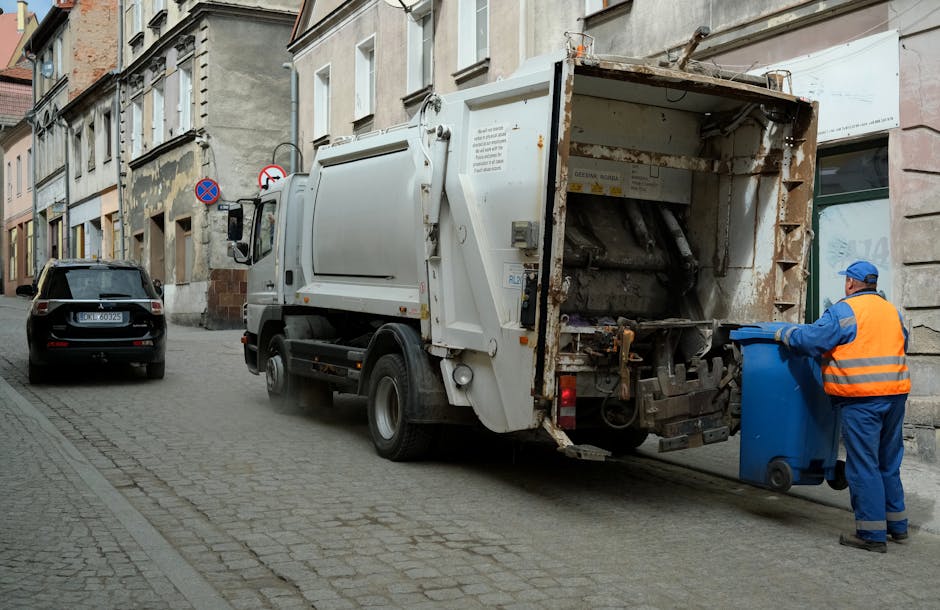
If you live in North Harrow and you're staring at an old mattress, a broken wardrobe, or a pile of "I'll deal with it later" items, you're probably looking for a simple answer to North Harrow bulky rubbish pickup HA1 what to know. Fair enough. Nobody wants bulky waste hanging around the hallway, blocking the shed, or turning the front garden into a mini storage unit.
This guide breaks the topic down in plain English. You'll learn what bulky rubbish pickup actually covers, how the process tends to work, what to prepare, where people usually trip up, and how to choose the cleanest, least stressful route. We'll also cover practical comparisons, compliance points, and a realistic example from a typical North Harrow household. Let's face it, when furniture starts breeding in the spare room, it helps to know what to do next.
- Why North Harrow bulky rubbish pickup HA1 what to know matters
- How North Harrow bulky rubbish pickup HA1 what to know works
- Key benefits and practical advantages
- Who this is for and when it makes sense
- Step-by-step guidance
- Expert tips for better results
- Common mistakes to avoid
- Tools, resources and recommendations
- Law, compliance, standards, or best practice
- Options, methods, or comparison table
- Case study or real-world example
- Practical checklist
- Conclusion
- Frequently asked questions
Why North Harrow bulky rubbish pickup HA1 what to know Matters
Bulky rubbish is different from everyday bin waste. It's the sofa that won't fit through the door without a bit of persuasion, the old fridge that still hums when you open the kitchen, the carpet rolls from a renovation, or the garden bench that has gone soft after one too many winters. In a busy part of Harrow, it doesn't take long for these items to become a nuisance.
Knowing the basics matters because bulky items create a few very ordinary but annoying problems: they take up space, they can become unsafe to move, and they often need a smarter disposal route than a standard bin collection. If you leave them too long, you also risk blocked access, cluttered rooms, and that familiar end-of-week feeling that the house has somehow gotten smaller.
There's also the local angle. North Harrow homes range from compact flats to family houses with narrow hallways, side returns, shared access, and parked cars outside. That mix changes how a pickup needs to be planned. One person's quick lift job can turn into a two-person carry with careful manoeuvring down steps. Not dramatic, just real life.
If you're already thinking about decluttering, moving, or making room for building work, this topic links naturally with broader clearance planning. You may find it helpful to read about the full range of rubbish services available, especially if your bulky waste is part of a larger clearance.
Expert summary: The best bulky rubbish pickup is the one that matches the item type, access conditions, and urgency without creating extra hassle. Good preparation usually matters more than brute force.
How North Harrow bulky rubbish pickup HA1 what to know Works
In practical terms, bulky rubbish pickup is the collection and removal of large household or commercial items that are awkward to move, too large for normal waste containers, or unsuitable for standard bin services. The exact process depends on the provider you use and what kind of items you have, but the flow is usually similar.
First, you identify the items. That sounds obvious, but it makes a difference. A single sofa is not the same as a sofa, two armchairs, and a dismantled bed frame. One may need a quick pickup; the other may be better handled as part of a broader house clearance service.
Next, you check the access. Can items be carried down stairs? Is there a lift? Is there enough parking space for a vehicle near the property? These small details affect how smoothly the collection goes. In North Harrow, that matters more than people expect, especially on roads where parking can be tight and timing needs to be polite, not pushy.
Then comes the booking and collection window. Some pickups are straightforward and quick; others need more planning if the waste includes mixed materials, heavy furniture, or multiple loads. It's worth noting that responsible providers tend to ask questions about item type, volume, and access for a reason. They're not being nosy. They're avoiding the kind of collection that turns into a scramble at the kerbside.
Finally, the items are loaded and taken away for sorting, reuse, recycling, or disposal. Good operators separate recoverable materials where possible. If sustainability matters to you - and it probably should - you can read more about their approach on recycling and sustainability.
If your bulky rubbish is mixed with renovation debris, you may also need a different route such as builders waste disposal in Harrow. That distinction matters because plasterboard, rubble, timber, and furniture are not the same thing operationally. A bit boring, maybe. Still important.
Key Benefits and Practical Advantages
The obvious benefit is space. A room clears fast when you remove one large object instead of shuffling around it for another month. But the practical advantages go beyond tidiness.
- Less physical strain: moving heavy furniture yourself is where backs and door frames get into arguments.
- Faster turnaround: one pickup can achieve in an hour what a DIY approach might stretch over a weekend.
- Cleaner access: hallways, gardens, and garages become usable again.
- Better sorting: recyclable or reusable items can be handled more responsibly.
- Lower stress: there's a lot to be said for not borrowing a friend's van and a lot more to be said for not owing them a favour afterwards.
For landlords, sellers, and anyone getting a property ready for viewings, bulky rubbish pickup can make a visible difference. A stripped-out spare room looks bigger. A clear hallway feels more welcoming. If you're preparing a property for the market, there's a useful connection with selling a home in Harrow, because first impressions really do matter.
There's also an environmental upside when items are assessed properly instead of just being dumped in the nearest pile. Even when something is past repair, parts of it may still be recoverable. That's one reason a thoughtful pickup can be better than a rushed one.
Who This Is For and When It Makes Sense
Bulky rubbish pickup is useful in more situations than people initially think. It isn't only for big moves or full house clearances. In North Harrow, it often helps in these everyday scenarios:
- Homeowners replacing worn furniture, white goods, or carpets
- Tenants leaving a property and needing a clean handover
- Landlords clearing left-behind items between lets
- Families making room for a renovation or new baby
- Home workers replacing desks, chairs, filing cabinets, or office clutter
- Gardeners disposing of bulky outdoor items like broken sheds, benches, or planters
It makes sense when the item is too large, too heavy, or too awkward for normal disposal. It also makes sense when the emotional load is bigger than the physical one. Clearing a loved one's home, for example, is not just a logistics task. It can be draining, slow, and a bit sad in patches. A structured clearance can make the process less overwhelming.
Office spaces are a separate case. If your bulky waste comes from a workplace rather than a home, it may be more suitable to consider office clearance support instead of treating it like domestic furniture removal.
Step-by-Step Guidance
Here's the cleanest way to handle a bulky rubbish pickup in North Harrow without overcomplicating it.
- List every item clearly. Note the type, size, approximate weight, and whether it can be dismantled.
- Separate what can stay from what needs to go. This avoids confusion on the day. You don't want someone accidentally taking the good desk chair because it was next to the broken one.
- Check access. Measure doorways, stair turns, garden gates, and parking space if needed.
- Identify anything special. For example, appliances, mattresses, mixed waste, or items with glass may need different handling.
- Choose the right service level. A single bulky item pickup is not always the best fit if you have half a garage to clear.
- Ask about loading and sorting. Responsible providers should explain how items are removed and whether recycling is part of the process.
- Prepare the area. Move smaller obstacles out of the way and keep pets and children clear during collection.
- Confirm timing. If street parking is tight, schedule for a quieter slot if possible. Morning can be calmer. Sometimes. Not always, but often enough.
A tiny thing that helps: take a photo of the items before booking. It saves back-and-forth and makes it easier to estimate volume. No need for a glamorous photo shoot, obviously. A plain, well-lit picture is enough.
If you're handling a mixed household clearance, you may also want to compare this with a broader waste removal service in Harrow. That can be more efficient when the bulky items are only part of the job.
Expert Tips for Better Results
After seeing a lot of pickups go smoothly - and a few go slightly sideways - there are some habits that consistently help.
1. Break items down where safe to do so. A dismantled bed frame is easier to carry than a full one. But only dismantle what you can safely dismantle. If it needs force, tools you don't have, or guesswork, stop there.
2. Keep the route clear. A clear path from room to vehicle saves time and reduces the chance of scuffs, scratches, or awkward pauses halfway down the stairs.
3. Group similar materials together. Wood, metal, soft furnishings, and electronics can often be handled differently. Sorting first tends to make the pickup cleaner and more efficient.
4. Be precise about quantity. "A few bits" is not a useful description. "Two wardrobes, one mattress, one desk, and six bin bags of mixed household clutter" is much better.
5. Think ahead if you're renovating. If bulky waste is part of a larger project, plan for it before the works pile up. It is much easier to remove one staged load than a mountain of mixed debris at the end.
One more thing. If there's any concern about what the item contains - old paint, a broken freezer, electrical parts, or unknown liquids - say so early. It saves headaches later. Nobody needs a mystery leak on collection day.
Common Mistakes to Avoid
The biggest mistakes are usually simple, not dramatic. And yes, people make them all the time.
- Leaving the sort-out until collection day. That's how delays happen.
- Underestimating the item size. A sofa always looks smaller until it meets a stair landing.
- Mixing prohibited or tricky items with general bulky waste. This can complicate the job and, in some cases, affect how the waste must be handled.
- Forgetting access details. Parking, lift access, gates, and timing all matter.
- Assuming everything can be taken the same way. It can't. Different waste types often need different handling.
- Choosing only on price. Cheap can become expensive if the service is vague, slow, or poorly organised.
To be fair, the "I'll deal with it later" instinct is very human. But bulky waste tends to get more annoying the longer it sits. It's one of those jobs that feels heavier in your mind than in your hands.
If you want to understand service transparency before booking anything, it can help to review the site's terms and conditions and pricing and quotes information. Those pages are useful for setting expectations, even if you're only comparing options.
Tools, Resources and Recommendations
You do not need a shed full of specialist equipment to arrange bulky waste removal, but a few practical tools can make the job smoother.
- Measuring tape: useful for checking doors, stair turns, or gate widths.
- Phone camera: the quickest way to document item size and condition.
- Marker labels or tape: handy if you want to mark what stays and what goes.
- Gloves and sturdy footwear: sensible if you're moving small items beforehand.
- Basic screwdriver or Allen key set: useful for safe dismantling of simple furniture, if appropriate.
For a local read that fits the wider Harrow context, you might also enjoy local residents' views and advice on Harrow living. It gives a broader sense of the area and how everyday practicalities shape home life here.
If you're interested in the service side of things more generally, about us gives background on the company approach, while insurance and safety information is useful if your pickup involves tight access, heavy lifting, or vulnerable surfaces.
Law, Compliance, Standards, or Best Practice
For bulky rubbish pickup, the most important compliance point is simple: waste should be handled responsibly and passed to a legitimate waste carrier or disposal route. In plain English, that means you should avoid anyone who offers to "take it away cheap" but can't explain where it goes. That shortcut can end up being your problem if the waste is fly-tipped.
Best practice also includes clear descriptions of the items, honest communication about access, and appropriate handling of heavier or awkward loads. If electricals, mattresses, or mixed waste are involved, it is sensible to ask how they will be sorted. That's not overthinking it. That's being careful.
There are also basic safety expectations. Heavy lifting should be done with proper technique and, where needed, more than one person. Sharp edges, broken glass, and unstable furniture are the kinds of details that sound minor until they aren't. In our experience, the jobs that look simplest on paper are the ones that deserve the most attention on the day.
For readers who want a broader picture of standards and responsibility, the site's recycling and sustainability guidance is a useful reference point. It helps explain the mindset behind proper sorting and responsible disposal.
Options, Methods, or Comparison Table
There are a few ways to deal with bulky waste in North Harrow. The right choice depends on the item, your timeline, and how much lifting you want to do yourself.
| Method | Best for | Pros | Watch-outs |
|---|---|---|---|
| DIY disposal | Very small loads, willing helpers, easy access | Can seem cheaper at first | Time, lifting risk, vehicle need, disposal logistics |
| Single bulky item pickup | One or two large items | Quick, focused, simple | Less efficient for mixed loads |
| General waste removal | Mixed household clutter or multiple item types | Flexible and practical | Needs better item description upfront |
| House clearance | Whole rooms, probate clearances, end-of-tenancy jobs | Most comprehensive | May be more than you need for one sofa |
| Builders waste disposal | Renovation debris and site waste | Suited to construction materials | Not ideal for ordinary furniture or mixed household waste |
If you're uncertain which route fits your situation, think in terms of volume and waste type. That usually clears up the confusion quickly. A garden chair, a broken chest of drawers, and a pile of old tiles are not a "one-size-fits-all" problem.
For a practical local read with route-level detail, the articles on rubbish collection in the Harrow on the Hill and Pinner Road area and rubbish removal near Wealdstone and Harrow Weald Station can also help you understand how local access and neighbourhood layout shape collection planning.
Case Study or Real-World Example
Imagine a North Harrow semi where the family has just finished replacing the old sitting room furniture. There's a three-seat sofa, two armchairs, a broken coffee table, an old TV cabinet, and a mattress from the spare room. Nothing is monstrous on its own, but together it turns into a frustrating pile in the hallway.
At first, they think about borrowing a van. Then they notice the stairs are narrow, the parking space outside is already tight, and the sofa won't fit around the corner without a proper lift. That's usually the moment people pause and go, "Right, maybe not the DIY adventure then."
They sort the items into keep, donate, and remove. They measure the access, take a photo, and arrange a pickup that suits the volume. On the day, the path is clear, the items are grouped together, and the collection runs with less fuss than expected. The spare room is back to being a room rather than a storage cave. Small victory, but a satisfying one.
What made the difference wasn't luck. It was preparation. Nothing flashy. Just a clear list, a realistic view of the access, and the right service choice. That's the pattern we see most often.
Practical Checklist
Use this before you book or on the morning of collection.
- List every bulky item clearly
- Measure any awkward access points
- Check whether items can be dismantled safely
- Separate reusable items from rubbish
- Keep a note of anything fragile, heavy, or sharp
- Confirm whether the load is single-item, mixed, or full clearance
- Make space near the pickup point
- Keep pets and children away during loading
- Ask about recycling or reuse handling where relevant
- Review pricing and service terms before confirming
Quick takeaway: if the items are bulky, mixed, or awkward to move, a properly planned pickup is usually the calmest option. The more clearly you describe the job, the smoother it tends to go.
Conclusion
North Harrow bulky rubbish pickup HA1 what to know comes down to one simple idea: don't treat bulky waste like ordinary bin rubbish. The item type, access, timing, and handling all matter. Once you think through those pieces, the whole process gets much easier.
Whether you're clearing one stubborn sofa or dealing with a bigger household refresh, the smart move is to plan the job properly, pick the right level of service, and avoid the rush-job mindset. That approach saves time, reduces stress, and usually makes the whole house feel lighter. A bit less clutter can change the mood of a room more than people expect, especially on a grey London afternoon.
If you're ready to take the next step, compare your items carefully, check the practical details, and choose the most sensible route for your space. And if you want help moving from "pile of stuff" to "sorted," start with the service information, then make the decision that fits your home and timeline.
Get a free quote today and see how much you can save.
Sometimes the best home upgrade is simply getting your space back.
 Tipper Van - Rubbish Collection and Waste Removal Prices in Harrow, HA1
 Luton Van - Rubbish Collection and Waste Removal Prices in Harrow, HA1